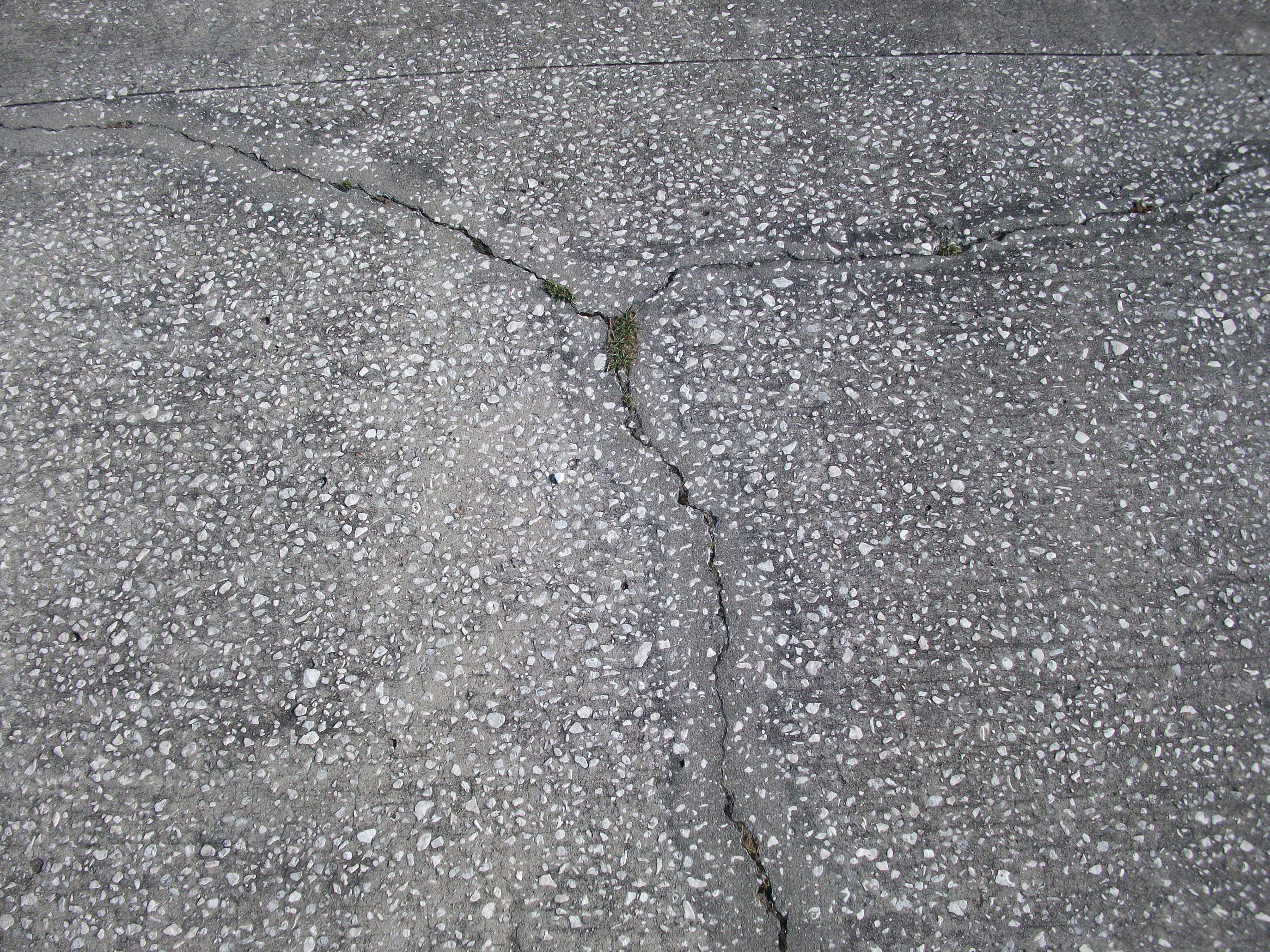
Concrete is usually asked to be mute: bear the load, take the weather, conceal the repair. The more interesting question is what happens when fracture becomes information. Recent laboratory work on bacterial self-healing concrete reports controlled crack closure under stated conditions—not a finished universal building material. The argument begins with the test, not the sales pitch.
The story stays deliberately close to the evidence. A controlled result in a laboratory is not a building standard, nor is it a promise that every crack will close. Field application, large-scale production and bacterial survival remain live questions. What the research offers now is a sharper way to look at repair: not as magic, but as a material system being tested against failure.