The Red That Refuses to Be Neutral
Luxury likes to speak about colour as though it begins at the runway. It does not.
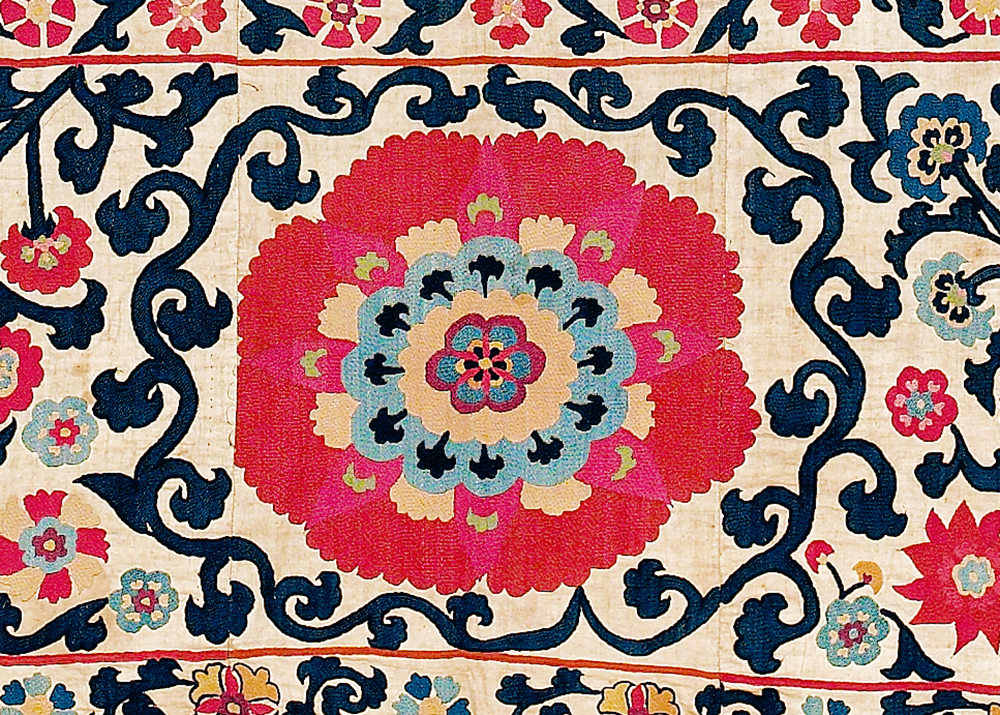
Before crimson became a European shorthand for rank, ceremony and desire, it was a cultivated material intelligence: cactus, insect, fibre, climate, skilled labour and Indigenous knowledge. Cochineal — the vivid red dye produced by insects living on prickly-pear cacti — was used by Indigenous peoples in the Americas for textiles and cultural work long before Spanish colonisation made it a globally traded commodity.1
The usual history of luxury turns this story into an export statistic. That is too small. The more revealing fact is that a colour which came to tint European uniforms, clerical garments and paintings depended on a knowledge system that commerce extracted while obscuring its authors. Harvard’s account of cochineal puts it plainly: its trade transformed textiles, art and commerce at the expense of the Indigenous knowledge and labour that made it possible.1
That history has a contemporary charge. Designers increasingly speak of material traceability, regenerative practice and natural colour. Those terms can become a kind of soft-focus ethics unless they include the cultural routes of knowledge as well as the physical routes of supply. A better material vocabulary would not turn Oaxaca into an aesthetic mood-board. It would ask what provenance means when the intelligence is agricultural, linguistic and intergenerational.
The point is not that every red garment requires a lecture. It is that colour is never neutral. The North Carolina Museum of Art notes that cochineal was developed and highly prized by Indigenous Americans long before Spanish colonisers arrived, and later became more valuable by weight than sugar in the imperial export economy.2 What we call a luxury colour has always contained a story about who gets named, who gets paid and who gets remembered.
For art degree°, cochineal is a test case. The material is not interesting because it is old. It is interesting because it reveals the full architecture of a contemporary object: origin, technique, labour, trade, image and desire. A richer culture of luxury begins there.
Footnotes
-
Harvard Museums of Science & Culture, “Cochineal: How Mexico Made the World See Red,” https://hmsc.harvard.edu/online-exhibits/cochineal/ ↩ ↩2
-
North Carolina Museum of Art, “Cochineal,” https://learn.ncartmuseum.org/resources/cochineal/ ↩