Lagos to London: The New Wave of Nigerian Fashion
Nigerian fashion is having its moment—not as exotic curiosity or trend-driven novelty, but as a fully realized creative force reshaping global style. From Lagos Fashion Week's runways to London's Dover Street Market, Nigerian designers are building brands that honor cultural heritage while pushing aesthetic boundaries. This isn't fashion tourism. This is the future.

The Lagos Fashion Week Effect
Lagos Fashion Week, now in its 15th year, has become the most important platform for African fashion. What started as a modest showcase has evolved into a global destination, attracting buyers from Selfridges, Net-a-Porter, and Nordstrom. The Guardian recently called it "the world's most exciting fashion week"—a bold claim that's increasingly difficult to dispute.
The fair's success reflects Lagos's emergence as a creative capital. Nigeria's fashion industry generates over $6 billion annually and employs millions. But beyond economics, there's cultural confidence. Nigerian designers aren't seeking validation from Paris or Milan. They're building their own systems, their own aesthetics, their own rules.

Kenneth Ize: Craft as Luxury
Kenneth Ize represents Nigerian fashion's global breakthrough. The Viennese-Nigerian designer won the LVMH Prize in 2019, placing him alongside previous winners like Marine Serre and Grace Wales Bonner. His work centers on aso oke, a hand-woven textile from the Yoruba people, traditionally used for ceremonial occasions.
Ize collaborates with weavers in Nigeria, paying fair wages and preserving endangered craft techniques. But this isn't nostalgic revivalism. His designs—oversized blazers in rainbow stripes, flowing caftans, deconstructed suits—recontextualize traditional textiles for contemporary luxury markets. When Naomi Campbell closed his Fall 2020 show in a voluminous aso oke coat, it signaled fashion's recognition of African craft as haute couture.

His work appears at Bergdorf Goodman, Browns, and SSENSE. Beyoncé wore his designs in her visual album Black Is King. This is Nigerian fashion operating at the highest level of global luxury.
Lisa Folawiyo: Print as Power
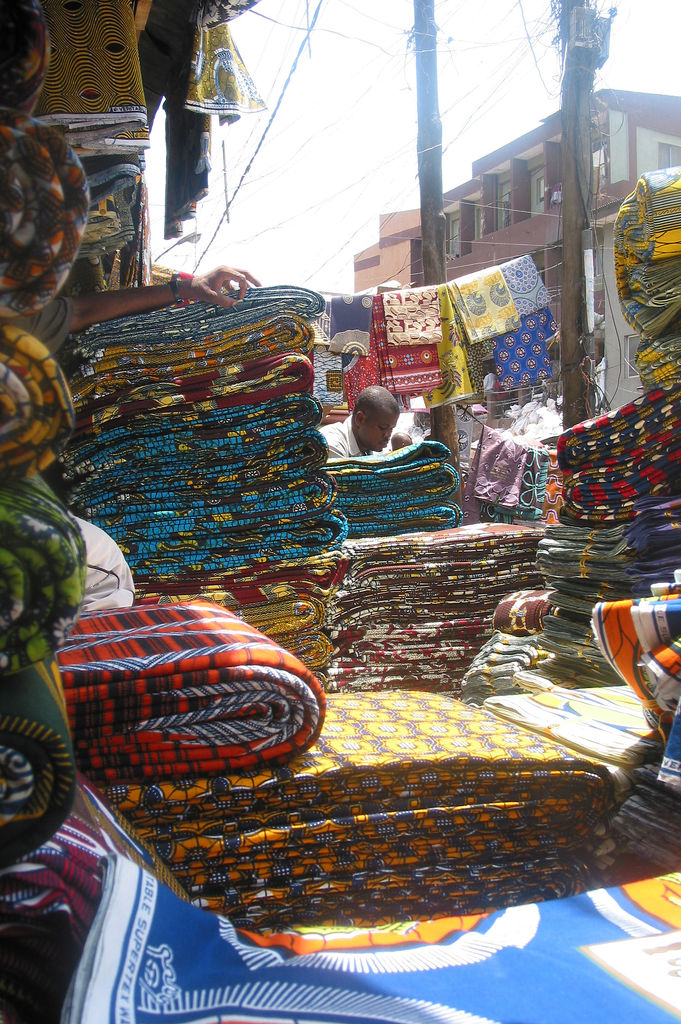
Lisa Folawiyo built her brand on ankara (Dutch wax print fabric), transforming what was considered everyday material into high fashion. Her signature technique—hand-embellishing ankara with crystals, beads, and sequins—creates pieces that are simultaneously rooted in Nigerian aesthetics and globally sophisticated.
Folawiyo's designs have been worn by Solange Knowles, Lupita Nyong'o, and Michelle Obama. Her brand operates flagship stores in Lagos and London, with stockists including Liberty London and Anthropologie. She represents a generation of Nigerian designers who refused to choose between cultural authenticity and commercial success.
"Fashion has the power to create jobs, preserve culture, and transform lives," Folawiyo told The Guardian. Her brand employs over 50 artisans in Lagos, many trained in traditional beading and embroidery techniques that were at risk of disappearing.
Orange Culture: Gender Fluidity
Adebayo Oke-Lawal's Orange Culture challenges African fashion's conservative reputation. His designs—flowing silhouettes, vibrant prints, gender-fluid tailoring—explore masculinity beyond Western norms. "African men have always had a relationship with color and print," he explains. "Colonialism introduced this idea that men should wear dark, somber clothes."
Orange Culture's collections reference Nigerian street style, Nollywood glamour, and queer aesthetics. Oke-Lawal's work has been featured in Vogue, GQ, and i-D. He's dressed Jidenna, Tinie Tempah, and other artists who embrace fashion as identity expression.
His brand represents Nigerian fashion's progressive edge—designers using clothing to question inherited assumptions about gender, sexuality, and cultural authenticity.

Emmy Kasbit: Sustainable Innovation
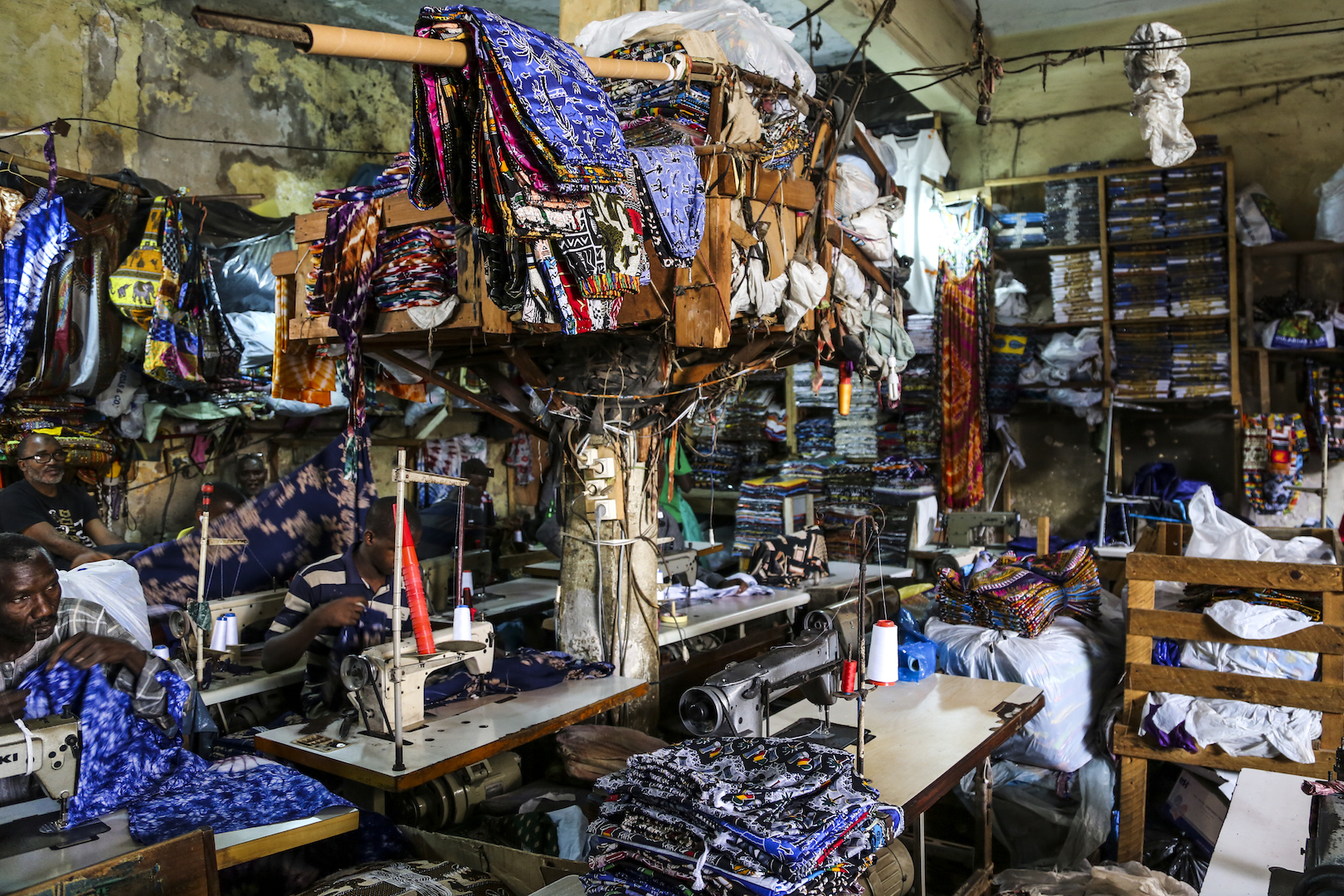
Emmy Kasbit (Emmanuel Okoro) focuses on sustainable production and local manufacturing. His brand uses deadstock fabrics, natural dyes, and zero-waste pattern cutting. But sustainability isn't just environmental—it's economic. Kasbit manufactures everything in Nigeria, supporting local textile mills and garment workers.
"We're not trying to compete with fast fashion," Kasbit told the BBC. "We're building a different system—one that values craft, pays fair wages, and respects the environment." His structured coats, tailored trousers, and deconstructed jackets appeal to consumers seeking alternatives to mass production.
Kasbit's work demonstrates that Nigerian fashion isn't just about aesthetics—it's about building infrastructure, creating jobs, and proving that African manufacturing can compete globally.
Iamisigo: Diasporic Dialogue
Bubu Ogisi's Iamisigo operates between Lagos and New York, creating designs that explore African diasporic identity. Her collections incorporate Nigerian textiles—adire (indigo-dyed cloth), akwete (woven fabric)—into contemporary silhouettes influenced by streetwear and sportswear.
Ogisi's work reflects the reality of many Nigerian designers: navigating multiple cultural contexts, building brands across continents, creating fashion that speaks to global Black identity. Her pieces are stocked at Opening Ceremony, Moda Operandi, and The Webster.
The London Connection
London has become a second home for Nigerian fashion. Dover Street Market stocks Kenneth Ize, Mowalola, and other Nigerian designers. Selfridges features dedicated African fashion sections. The British Fashion Council has supported Nigerian talent through mentorship programs and showcase opportunities.
This isn't charity—it's recognition of creative excellence. Nigerian designers bring fresh perspectives to fashion's recurring conversations about sustainability, cultural appropriation, and global aesthetics. They're not asking for inclusion in existing systems; they're building parallel structures that may ultimately prove more resilient.
Beyond Aesthetics
Nigerian fashion's rise reflects broader shifts in global culture. The success of Afrobeats, Nollywood's expansion, and Nigeria's tech boom all contribute to growing cultural confidence. Fashion is part of this ecosystem—another arena where Nigerian creativity is reshaping global conversations.
The designers profiled here represent different approaches: Kenneth Ize's craft luxury, Lisa Folawiyo's print innovation, Orange Culture's gender fluidity, Emmy Kasbit's sustainability, Iamisigo's diasporic dialogue. But they share commitment to building fashion systems rooted in Nigerian culture while engaging global markets on their own terms.
GET THE LOOK
Established Designers:
- Kenneth Ize: Aso oke tailoring, ceremonial textiles reimagined
- Lisa Folawiyo: Embellished ankara, crystal-detailed prints
- Orange Culture: Gender-fluid silhouettes, vibrant prints
Emerging Voices:
- Emmy Kasbit: Sustainable tailoring, zero-waste design
- Iamisigo: Diasporic textiles, contemporary streetwear
- Mowalola: Punk-inspired leather, provocative silhouettes
Where to Buy:
- Lagos: Alara (concept store), Temple Muse, Rele Gallery
- London: Dover Street Market, Selfridges, Browns
- Online: SSENSE, Moda Operandi, The Folklore
The Future
Lagos Fashion Week's 15-year trajectory—from local showcase to global destination—demonstrates Nigerian fashion's momentum. The next generation of designers has infrastructure their predecessors lacked: manufacturing facilities, textile mills, media platforms, international buyers.
This isn't a trend. This is structural change. Nigerian fashion has moved from periphery to center, from novelty to necessity. The question isn't whether Nigerian designers will continue to influence global fashion—it's how profoundly they'll reshape it.
Image Credits:
- Lagos Fashion Week 2024 runway photography: Lagos Fashion Week
- Kenneth Ize runway presentation: Kenneth Ize / LVMH Prize
- All images used under editorial fair use with full attribution