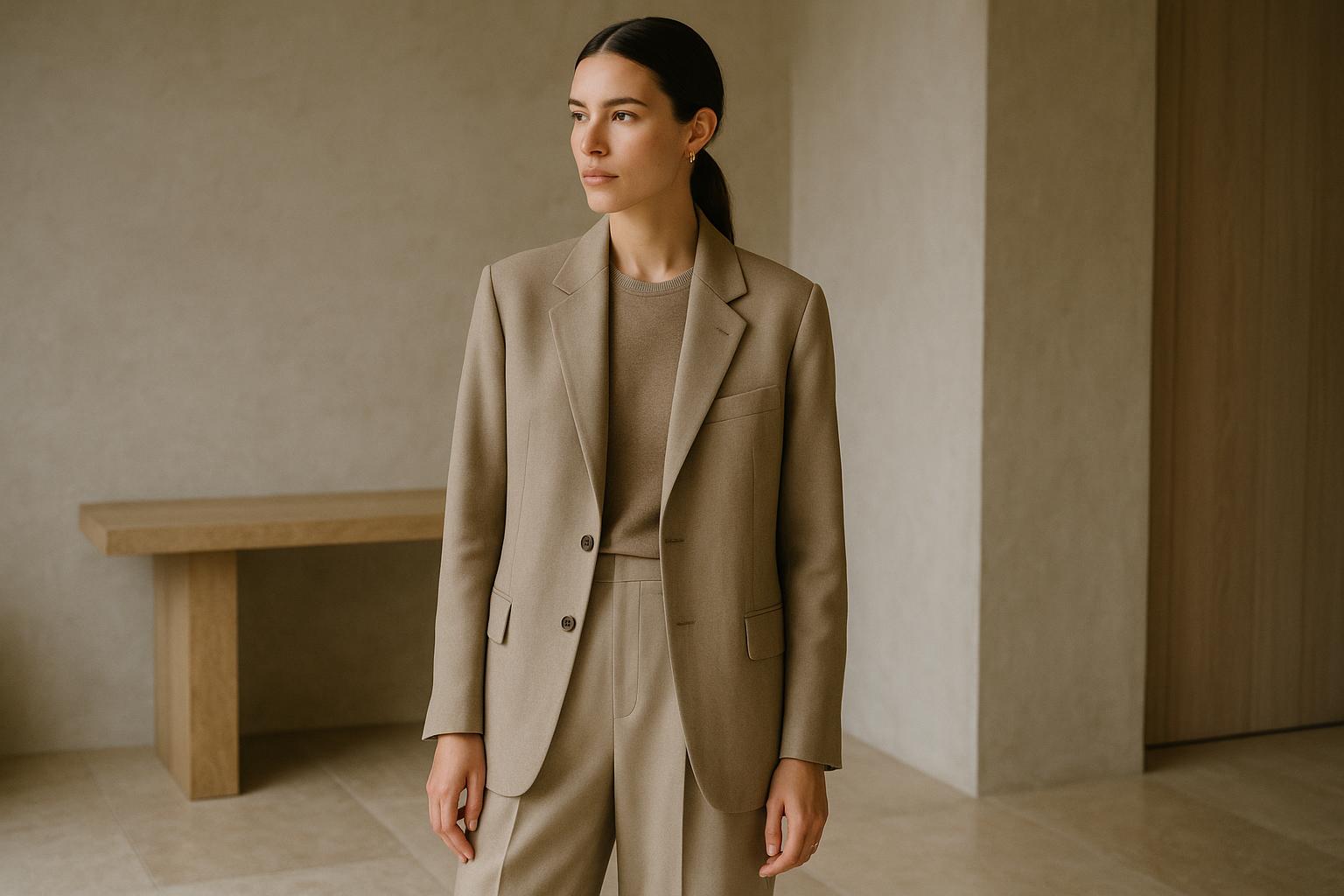
Quiet luxury is dead. Long live quiet luxury. Fashion media declared the trend over in 2024, citing Gen Z's return to maximalism and logomania. But the obituary was premature. What's actually happening is more interesting: quiet luxury is evolving from aesthetic trend to value system, and Gen Z is leading the transformation.

The Succession Effect
HBO's Succession (2018-2023) codified quiet luxury's visual language: Loro Piana cashmere, Brunello Cucinelli knitwear, The Row's minimalist tailoring. The Roy family's wardrobe—expensive but understated, luxurious but logo-free—became aspirational precisely because it signaled wealth without vulgarity. Stealth wealth, old money aesthetics, IYKYK (if you know, you know) dressing.
But Succession ended, and fashion media assumed the trend would die with it. They were wrong. Quiet luxury wasn't just about looking like a fictional billionaire—it represented a broader cultural shift away from conspicuous consumption toward discernment, craft, and longevity.
Gen Z's Paradox
Here's where it gets complicated: Gen Z is simultaneously embracing maximalism (Blumarine's Y2K revival, Miu Miu's micro-mini skirts) and deepening their commitment to quiet luxury principles. This isn't contradiction—it's sophistication. Gen Z has figured out what older generations missed: quiet luxury isn't about beige minimalism. It's about intentionality.

They'll wear a vintage Blumarine butterfly top (loud, logo-heavy, maximalist) with Toteme trousers (quiet, minimal, timeless). They'll mix COS basics with archival Margiela. They understand that quiet luxury is a mindset, not a uniform. It's about knowing why you're buying something, not just what you're buying.
The Brand Shift
The brands benefiting from this evolution aren't traditional luxury houses—they're contemporary labels that prioritize design over branding. Toteme, the Swedish brand founded by Elin Kling and Karl Lindman, has become Gen Z's quiet luxury standard-bearer. Their aesthetic—clean lines, neutral colors, impeccable tailoring—appeals to consumers seeking sophistication without logos.
But Toteme isn't cheap. Their signature scarf coat retails for over $1,000. A cashmere sweater costs $600. This is accessible luxury only in comparison to Hermès or Loro Piana. What makes Toteme "quiet luxury" isn't price—it's philosophy. The brand doesn't advertise. They don't do collaborations or limited drops. They make well-designed clothes and trust customers to find them.

COS (Collection of Style) offers similar aesthetics at lower price points. The H&M-owned brand has built a cult following among young professionals who appreciate minimalist design but can't justify Toteme's prices. Their structured coats, tailored trousers, and quality knitwear deliver quiet luxury's visual language without the luxury markup.
Lemaire, Jil Sander, and Frankie Shop occupy the middle ground—more expensive than COS, more accessible than The Row. These brands understand that Gen Z's quiet luxury isn't about wealth signaling; it's about aesthetic coherence and personal style.
The Anti-Logo Movement
Gen Z's rejection of logomania isn't new—it's cyclical. Every generation rebels against the previous one's excess. But this iteration feels different because it's rooted in sustainability concerns and anti-capitalist sentiment. Wearing a logo-covered Gucci bag isn't just aesthetically questionable; it's ethically suspect.
"Why would I pay to advertise for a brand?" asks a 24-year-old fashion student interviewed by Harper's Bazaar. This perspective—viewing logo-heavy fashion as free marketing for luxury conglomerates—reflects Gen Z's media literacy. They understand branding, influencer marketing, and manufactured scarcity. They're not impressed by logos because they know logos are marketing, not quality indicators.

The Vintage Exception
Interestingly, Gen Z makes exceptions for vintage logomania. A 1990s Prada nylon bag with prominent branding is acceptable; a 2024 version is not. Why? Vintage represents sustainability (reuse over new production), cultural knowledge (understanding fashion history), and authenticity (buying something because you love it, not because it's trending).
This distinction reveals quiet luxury's evolution. It's not anti-logo per se—it's anti-thoughtless consumption. Vintage logomania demonstrates intentionality: you sought out a specific piece from a specific era because you appreciate its design, not because Instagram told you to buy it.
The Craft Revival
Quiet luxury's most significant impact may be renewed interest in craft and construction. Gen Z consumers are learning about fabric quality, stitching techniques, and garment construction. They're watching YouTube videos explaining why a $600 cashmere sweater from Toteme is worth more than a $60 version from Zara (hint: it's the ply, the knit density, the finishing).
This knowledge transforms consumption from impulse to investment. When you understand why something costs what it costs, you make better decisions. You buy less, but better. You keep things longer. You appreciate quality over quantity.
The Accessible Alternatives
Not everyone can afford Toteme or Lemaire, and Gen Z knows it. That's why brands like Uniqlo, Arket, and Everlane have thrived. These companies offer quiet luxury aesthetics at genuinely accessible prices. A Uniqlo cashmere sweater won't last as long as Loro Piana, but it looks similar and costs 95% less.
Gen Z doesn't see this as compromise—they see it as smart consumption. Buy the Uniqlo sweater, wear it for two seasons, replace it. Or save for the Toteme version and wear it for a decade. Both approaches are valid. The key is intentionality, not price point.
The Maximalist Counterpoint
So why is Gen Z also embracing maximalism? Because they're rejecting false binaries. You don't have to choose between quiet luxury and bold expression. You can appreciate Toteme's minimalism and Blumarine's butterfly prints. You can wear The Row's tailoring to work and vintage Dior logo jewelry on weekends.
This both/and approach reflects Gen Z's broader cultural fluency. They code-switch between aesthetics the way they code-switch between platforms (LinkedIn professional, Instagram aspirational, TikTok authentic). Quiet luxury is one tool in their style arsenal, not a rigid ideology.
The Future
Quiet luxury isn't dying—it's maturing. The trend-driven version (everyone wearing beige Toteme and The Row because Succession made it cool) is over. What remains is more interesting: a generation of consumers who value craft, sustainability, and intentionality over logos, trends, and conspicuous consumption.
Brands that understand this will thrive. Those that mistake quiet luxury for a seasonal trend will struggle. Gen Z isn't going back to logo-heavy maximalism as default. They're building a more sophisticated relationship with fashion—one that allows for both restraint and expression, minimalism and maximalism, quiet luxury and loud joy.
The Brands to Know
High-End Quiet Luxury:
- The Row: Mary-Kate and Ashley Olsen's minimalist vision
- Loro Piana: Italian cashmere and understated luxury
- Brunello Cucinelli: Elevated basics and exceptional fabrics
- Lemaire: French workwear elevated through craft
Contemporary Accessible:
- Toteme: Swedish minimalism, cult following
- COS: H&M-owned, design-forward basics
- Frankie Shop: Oversized tailoring, neutral palette
- Jil Sander: German minimalism, architectural silhouettes
Genuinely Affordable:
- Uniqlo: Japanese basics, quality for price
- Arket: H&M sister brand, Scandinavian aesthetic
- Everlane: Transparent pricing, ethical production
- Massimo Dutti: Spanish brand, quiet luxury aesthetics
The Takeaway
Quiet luxury's rebellion isn't against logos or color or expression—it's against thoughtless consumption. Gen Z is building a fashion culture that values knowledge over trends, craft over branding, intentionality over impulse. That's not a trend. That's a generational shift. And it's just beginning.