Afrobeats Ascendant: How West African Music Conquered the World
Afrobeats is no longer emerging—it has arrived. From Grammy stages to Billboard charts, from Lagos to London to Los Angeles, West African music has become the sound of global pop. This isn't fusion or crossover. This is a fully realized genre reshaping the music industry on its own terms.

The Grammy Moment
The 2023 Grammy Awards marked a watershed. The Recording Academy introduced a Best African Music Performance category, recognizing what industry insiders had known for years: African music—particularly Afrobeats—had become too significant to ignore. Tyla's "Water" won the inaugural award, but the category's existence mattered more than any single winner.
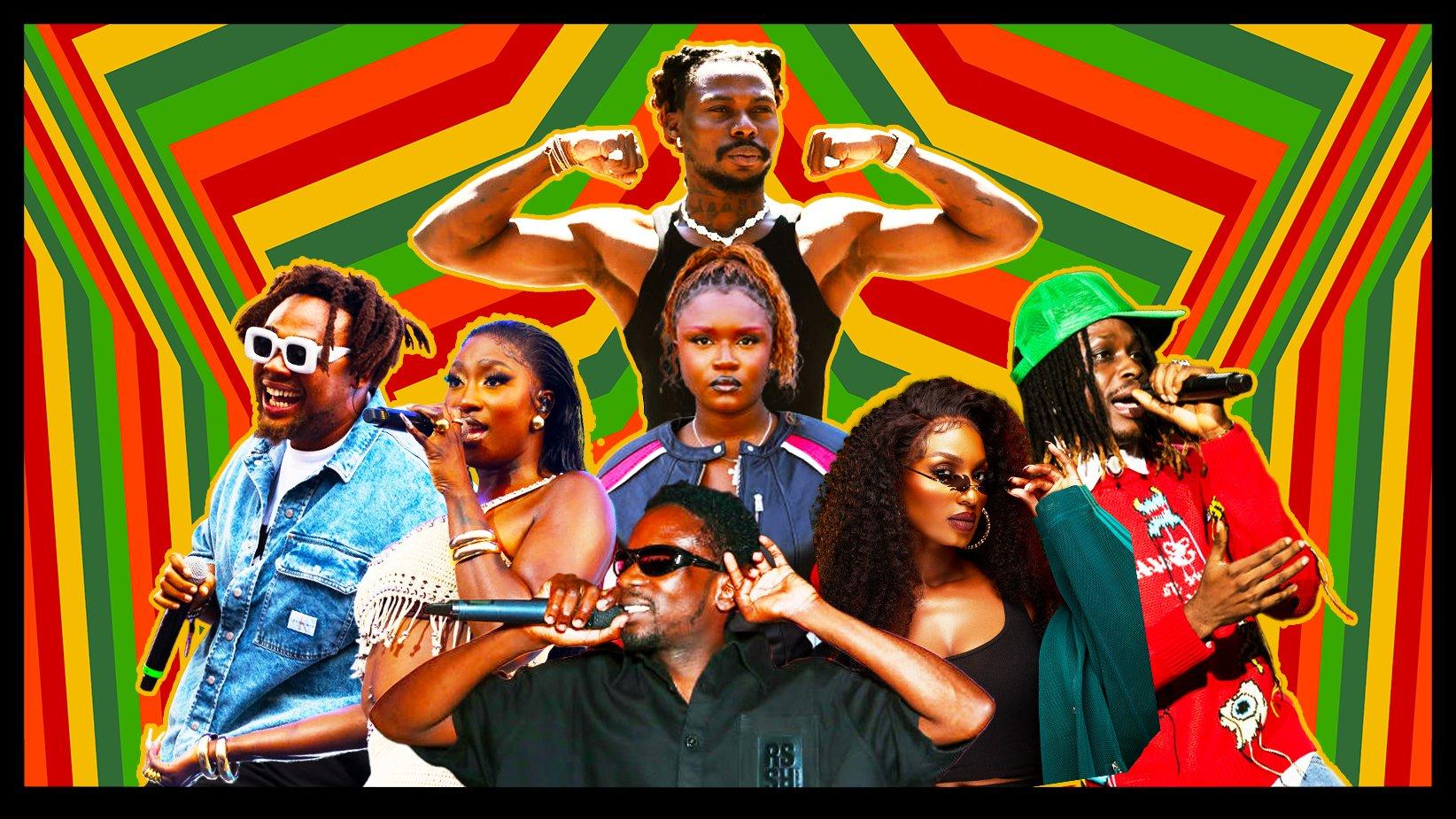
Burna Boy, Wizkid, Tems, Rema, Asake, Ayra Starr—these aren't novelty acts or world music curiosities. They're global superstars commanding festival headliner slots, selling out arenas, and collaborating with Drake, Beyoncé, and Justin Bieber. Afrobeats has achieved what few genres manage: mainstream success without cultural dilution.

Burna Boy: The African Giant
Damini Ogulu—known professionally as Burna Boy—represents Afrobeats' global ambition. His 2019 album African Giant and 2020's Twice as Tall (executive produced by Diddy) established him as the genre's most internationally successful artist. He's headlined Madison Square Garden, Coachella, and Glastonbury. His music blends Afrobeat (Fela Kuti's politically charged funk), dancehall, reggae, and hip-hop into something distinctly contemporary and unmistakably African.
"I'm not trying to sound American," Burna Boy told The New York Times. "I'm trying to sound like myself." That confidence—refusing to modify his sound for Western audiences—has paradoxically made him more successful globally. His lyrics address African politics, colonial history, and Pan-African identity. This isn't background music; it's cultural assertion.
His Grammy win for Twice as Tall (Best Global Music Album, 2021) validated what African audiences already knew: Burna Boy is operating at the highest level of contemporary music.
Wizkid: The Crossover Pioneer
Ayodeji Balogun (Wizkid) paved the way for Afrobeats' global expansion. His 2016 collaboration with Drake on "One Dance"—which spent ten weeks atop the Billboard Hot 100—introduced Afrobeats rhythms to mainstream pop. But Wizkid isn't just a featured artist; he's a headliner. His 2020 album Made in Lagos achieved critical and commercial success, with "Essence" (featuring Tems) becoming the first Nigerian song to chart on the Billboard Hot 100.
Wizkid's approach differs from Burna Boy's political intensity. His music is sensual, romantic, focused on pleasure rather than protest. But this accessibility has strategic value—it's introduced millions to Afrobeats' sonic palette without demanding cultural homework.

Tems: The Voice
Temilade Openiyi (Tems) represents Afrobeats' new generation. Her breakout came through "Essence" with Wizkid, but her solo work—particularly "Free Mind" and "Higher"—established her as more than a featured vocalist. Her voice—smoky, emotive, instantly recognizable—has made her the most sought-after collaborator in contemporary music.
Drake featured her on "Fountains" (Certified Lover Boy). Future sampled her vocals on "Wait for U," which topped the Billboard Hot 100. Beyoncé recruited her for Renaissance. Rihanna personally requested her for the Black Panther: Wakanda Forever soundtrack, resulting in "Lift Me Up," which earned Tems an Oscar nomination.
At 28, Tems has achieved what takes most artists decades: she's become essential. Her success demonstrates Afrobeats' evolution—from genre to aesthetic, from regional sound to global influence.
Rema: Gen Z Innovation
Divine Ikubor (Rema) represents Afrobeats' future. At 23, he's already redefined the genre's boundaries. His 2023 hit "Calm Down" (featuring Selena Gomez) became the most-streamed Afrobeats song in history, surpassing 1 billion Spotify streams. But Rema's innovation goes beyond numbers—he's incorporated trap, emo, and Bollywood influences into Afrobeats, creating a sound he calls "Afrorave."
His willingness to experiment—wearing gothic aesthetics, sampling Indian music, collaborating with electronic producers—reflects Gen Z's post-genre sensibility. Rema doesn't feel obligated to represent "authentic" African music. He's creating hybrid forms that reflect his generation's global cultural fluency.

Asake: The Amapiano Connection
Ahmed Ololade (Asake) bridges Afrobeats and Amapiano, the South African house music variant that's become Africa's fastest-growing genre. His 2022 debut Mr. Money With The Vibe topped UK charts—the first Nigerian debut to achieve this. His follow-up, Work of Art (2023), debuted at #1 on the UK Albums Chart and #66 on the Billboard 200.
Asake's music—produced primarily by Magicsticks—fuses Afrobeats' percussion with Amapiano's log drum basslines and Fuji music's Yoruba vocal traditions. His success demonstrates Afrobeats' capacity for internal evolution, absorbing influences from across the African continent.
Ayra Starr: The New Guard
Oyinkansola Aderibigbe (Ayra Starr) represents Afrobeats' youngest generation. Signed to Mavin Records at 18, she's become one of the genre's most promising artists. Her 2023 single "Rush" achieved viral success on TikTok before climbing global charts. Her music blends Afrobeats with R&B, pop, and Alté (Nigeria's alternative music scene).
Ayra Starr's rise reflects Afrobeats' infrastructure maturity. She benefits from established labels (Mavin Records), experienced producers, and global distribution networks that didn't exist a decade ago. Her generation isn't fighting for recognition—they're inheriting an industry.

The Industry Infrastructure
Afrobeats' global success isn't accidental—it's the result of deliberate industry building. Nigerian labels like Mavin Records, Chocolate City, and YBNL have developed artist development systems rivaling Western majors. Streaming platforms created dedicated Afrobeats playlists. Radio stations from BBC 1Xtra to Los Angeles' Power 106 added Afrobeats to rotation.
Festivals like Afro Nation, Afrochella, and Afrobeats Festival UK provide performance platforms. Booking agencies represent African artists for global tours. Music videos shot in Lagos rival Hollywood production values. This infrastructure ensures Afrobeats' sustainability beyond individual artists' success.
Cultural Impact
Afrobeats' influence extends beyond music. Fashion brands collaborate with Afrobeats artists (Burna Boy with Burberry, Wizkid with Nike). Nollywood—Nigeria's film industry—soundtracks movies with Afrobeats. The genre has become synonymous with contemporary African cool, influencing everything from dance to language to visual aesthetics.
The music's global reach has economic implications. Nigeria's music industry generates over $100 million annually. Artists employ hundreds—producers, dancers, videographers, stylists. Afrobeats has become cultural export, soft power, and economic engine.
Beyond Nigeria
While Nigeria dominates Afrobeats, the genre has expanded across West Africa. Ghana's Black Sherif, Stonebwoy, and Shatta Wale contribute distinct flavors. Cameroon's Libianca achieved global success with "People." Togo's Toofan blends Afrobeats with traditional rhythms. The genre has become pan-African, absorbing regional variations while maintaining core identity.
The Future
Afrobeats' trajectory suggests continued growth. The genre's streaming numbers increase annually. More Western artists seek collaborations. African artists headline major festivals. The Grammy category's existence ensures institutional recognition.
But Afrobeats' most significant achievement may be cultural: it's proven that African artists don't need Western validation to succeed globally. They can build their own systems, maintain cultural authenticity, and still dominate charts. That's not just musical success—it's structural change.
Essential Listening
Established Stars:
- Burna Boy: African Giant (2019), Twice as Tall (2020)
- Wizkid: Made in Lagos (2020)
- Tems: For Broken Ears EP (2020)
New Generation:
- Rema: Rave & Roses (2022)
- Asake: Mr. Money With The Vibe (2022)
- Ayra Starr: 19 & Dangerous (2021)
Deep Cuts:
- Wande Coal: Wanted (2015)
- Olamide: UY Scuti (2021)
- Fireboy DML: Apollo (2020)
The Takeaway
Afrobeats isn't a trend—it's a paradigm shift. For decades, African artists adapted to Western music industry standards. Now, the industry is adapting to Afrobeats. That reversal represents more than commercial success; it's cultural power. The sound of global pop is increasingly African. Get used to it.