Beyond the Burn: When Fashion Lost Its Easiest Exit
At the end of a season, the most consequential room in fashion is rarely the shop floor. It is the warehouse: garment rails under strip lights, cartons of shoes, a run of colour that missed its moment, a perfect coat with nowhere left to go. For decades, the final decision was often made out of sight. Discount it. Store it. Shred it. Burn it.
On 19 July 2026, that last option became harder to take. Large companies in the European Union may no longer destroy unsold apparel, clothing accessories or footwear except in limited, documented circumstances. The change is not a mood, and it is not a marketing line. It is a rule with a practical consequence: surplus must now be treated as a design, logistics and cultural problem before it becomes waste.1
The warehouse door has changed
The point is not that every unsold garment is suddenly precious. Some items are unsafe, damaged, counterfeit or unsuitable for reuse, and the regulation recognises that. The point is that disappearance is no longer the default answer to bad forecasting, overproduction or a protected aura of scarcity.1
The scale gives the rule its charge. The European Commission cites European Environment Agency estimates that 4–9% of textile products put on the market in Europe are destroyed before use: roughly 264,000 to 594,000 tonnes each year. Those figures make the warehouse feel less like a back-office concern and more like one of fashion’s decisive cultural spaces.1
A garment does not stop carrying meaning when it misses a selling season. It still holds fibre, water, dye, pattern knowledge, labour, transport and the specific intelligence that put it there. The new rule asks companies to reckon with that fact in public.
This is a design brief, not a compliance footnote
The most interesting effect of the ban may be on the decisions made long before a box reaches a warehouse. If a product cannot simply vanish, then volume, material choice, repair, resale, donation, remanufacture and return routes become part of the original design conversation.
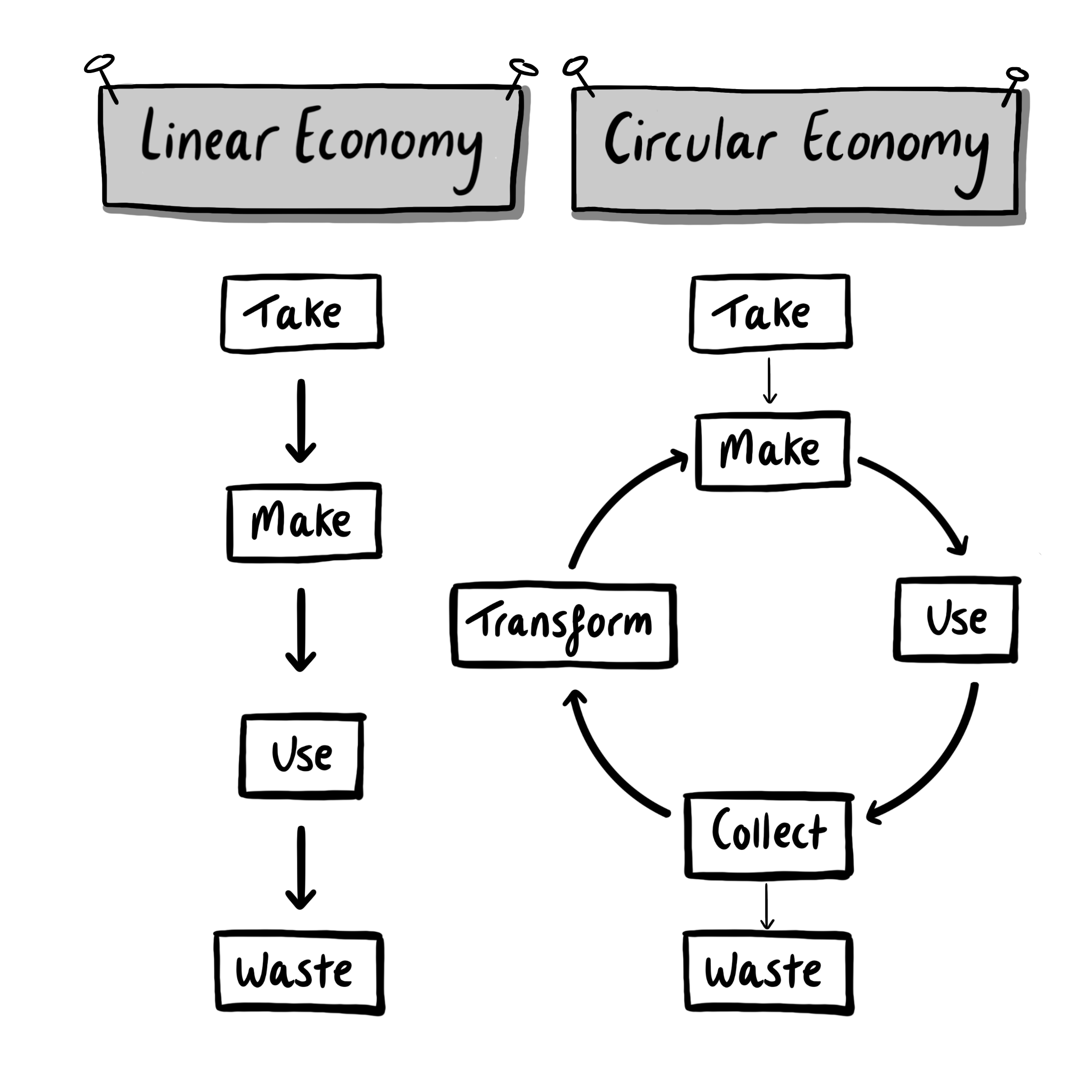
That is where fashion’s language needs to sharpen. “Circularity” can sound bloodless because it often arrives as a diagram after the product has already been made. But the circular question is intimate: would this thing deserve a second life if no one had seen it in a campaign? Could it be repaired, altered, dismantled or recognised for what it is? Would its materials still be legible to the people asked to handle it next?
The EU’s wider textiles strategy is explicit about the direction of travel: products placed on the market should become more durable, repairable and recyclable, with profitable reuse and repair services more available. It also reports that only 1% of material in clothing is currently recycled into new clothing. That gap is not solved by a clever label. It is solved through design, collection, sorting and business choices that respect material afterlife from the start.2
The archive begins before the customer arrives
Luxury has always understood the power of the archive. A house protects silhouettes, campaigns and objects because history gives the present depth. Yet the surplus garment has often been excluded from that story—as though it were merely a failed transaction rather than evidence of how an idea was made, bought and valued.
The new prohibition makes that separation harder to defend. It puts a more demanding question to fashion: what does it mean to claim material intelligence while treating a finished object as disposable the moment it becomes commercially inconvenient?
That question reaches beyond sustainability. It concerns authorship, stewardship and the credibility of a brand’s point of view. A business can call a collection responsible. The more revealing test is what it has designed into the life after the shop window.
The opportunity is not to make surplus look romantic
There is no glamour in excess for its own sake, and no virtue in turning waste into a new visual genre. The opportunity is more exacting. Brands, retailers and makers now have an incentive to build systems that make fewer things with more intention; to retain value through repair and recommerce; and to record the routes a material has travelled rather than obscuring them.
This is where a better cultural conversation starts. Instead of asking whether fashion is “sustainable”, we might ask what it is prepared to remember. A returned shoe, an unsold coat or a carton of last season’s stock is not the opposite of culture. It is one of the places where culture becomes operational.
What to watch now
Watch for the companies that talk less about circularity as a badge and more about the systems beneath it: clear reuse routes, material records, repair commitments and credible explanations for what cannot be kept in use. Watch, too, for the objects that make those systems visible without turning them into theatre.
The old exit has narrowed. That does not make fashion virtuous overnight. It does make the afterlife of a garment part of the story fashion tells about itself.
What it reveals: Cultural value is not created only at the launch, the campaign or the opening night. It is also determined by what an organisation is willing to preserve, circulate and account for when the first moment of desire has passed. For organisations working where culture, material and reputation meet, TriplePinch works on the positioning, access and directed execution that make a point of view operational.