The New Vanguard: How Diaspora Voices Are Writing the Next Chapter of British Culture
The descendants of those who rebuilt Britain after WWII are rebuilding its narrative from within—through art, fashion, and music that refuses to choose between heritage and home.
It's a Friday night in Peckham, and the queue outside a nondescript warehouse snakes around the block. Inside, the bass from a sound system rattles the walls whilst a photographer circles the crowd, capturing faces lit by phone screens and stage lights. On the walls, bold pop art pieces mix Yoruba motifs with warped celebrity caricatures. Everyone's wearing the same brand—Corteiz, the guerrilla streetwear label that's become shorthand for a certain kind of London cool. This isn't just a party. It's a cultural moment, and it's distinctly, unapologetically British.
The UK has always been a crucible for cultural experimentation. From the mods of the sixties through punk, new wave, and the ravers of the nineties, almost every significant Western counterculture of the past century began on these islands—not in boardrooms or institutions, but in communities creating something authentically their own. Today, Britain continues to offer lessons in creative evolution, and the pattern remains remarkably consistent. Once again, a new generation is building a movement from the ground up: children of the diaspora, carving paths with nothing but vision, urgency, and a DIY mindset that would make their Windrush-generation grandparents proud. The difference isn't where they're coming from—all British countercultures start outside the establishment—but what they're bringing: a cultural hybridity that becomes a source of creative power rather than a compromise.

Caribbean immigrants arriving in Britain, 1948. The Windrush generation laid the foundation for today's creative renaissance.
Source: Euronews Archive, 1948
The Windrush Legacy: From Rebuilding Britain to Rebuilding Its Narrative
When the Empire Windrush docked at Tilbury in June 1948, it carried 492 passengers from the Caribbean—men and women invited to help rebuild a war-torn Britain. They came as British subjects, answering the call of the "mother country," only to face hostility, discrimination, and a society that hadn't quite decided whether it wanted them there at all. Seventy-five years later, their descendants are facing a different kind of reception: global recognition, cultural influence, and the power to shape contemporary British identity on their own terms.
The transformative potential of diaspora communities has been evident since the 1990s, when Caribbean sound system culture collided with acid house energy to create jungle—a raw, hybrid genre that laid the groundwork for garage, grime, and the distinct sound of contemporary Britain. That moment was fuelled by the same forces shaping today's creative landscape: a DIY mindset, community engagement, and a sense of rawness, authenticity, and urgency in expression. These traits now influence British creativity across disciplines, moving from music into fashion, art, and beyond.
What's remarkable about the current moment isn't just the individual success stories—though there are plenty of those. It's the way these creative voices are interconnected, collaborating across disciplines, building a cultural ecosystem that operates outside traditional gatekeepers whilst simultaneously reshaping the mainstream. Photographer Gabriel Moses shoots campaigns for streetwear brand Corteiz. Artist Slawn's work appears at grime nights. Fashion, art, and music aren't separate silos; they're lenses through which diaspora creatives examine the same fundamental questions about identity, belonging, and what it means to be British in the 21st century.
Fashion: Clint 419 and the Corteiz Phenomenon

Corteiz crew on London streets. The brand has become synonymous with a new generation of British streetwear.
Photography: Corteiz official campaign imagery
Source: Pause Magazine, 2024
"DUN IT." Two words, boldly displayed in all caps on a tee as part of a recent Nike collaboration, perfectly encapsulate Clint 419 and his extension-of-self brand, Corteiz: raw, tough, provocative, proudly rooted in local culture, and highly community-oriented. Raised in North London by Nigerian parents, Clint's visionary marketing approach—characterised by guerrilla campaigns, culturally relevant endorsements, and extremely limited releases—has led him to undeniable success.
Clint 419 runs his brand with the same intensity with which he lives: no fluff, pure hustle, eyes on the prize. His drops aren't just product releases; they're cultural events. In March 2023, Corteiz orchestrated a now-legendary guerrilla marketing stunt outside Nike's flagship store on Oxford Street, where hundreds of fans gathered after cryptic social media posts hinted at a surprise collaboration. The police were called. Traffic stopped. The internet exploded. It was chaos—and it was brilliant.
This approach stands in stark contrast to the traditional luxury fashion establishment, where access is carefully controlled and exclusivity is maintained through price points and brand heritage. Corteiz's exclusivity comes from a different source: community. If you know, you know. If you're part of the culture, you're in. If you're not, no amount of money will get you there. It's a fundamentally democratic form of elitism, and it's reshaping how a generation thinks about fashion.
With each drop and campaign, Clint's influence has steadily grown in the contemporary British scene. He has collaborated with nearly all the hottest names on the island, from singer Jorja Smith to footballer Kobbie Mainoo, and from rapper Dave to Phil Foden. In recognition of his impact, he was nominated by the British Fashion Council for the "New Establishment Menswear" award in 2023—a remarkable achievement for a brand that operates almost entirely outside traditional fashion industry structures.
Visual Art: Gabriel Moses and Slawn

Gabriel Moses' photography captures emotional intensity and cultural identity.
Photography: Gabriel Moses
Source: The Agents Club
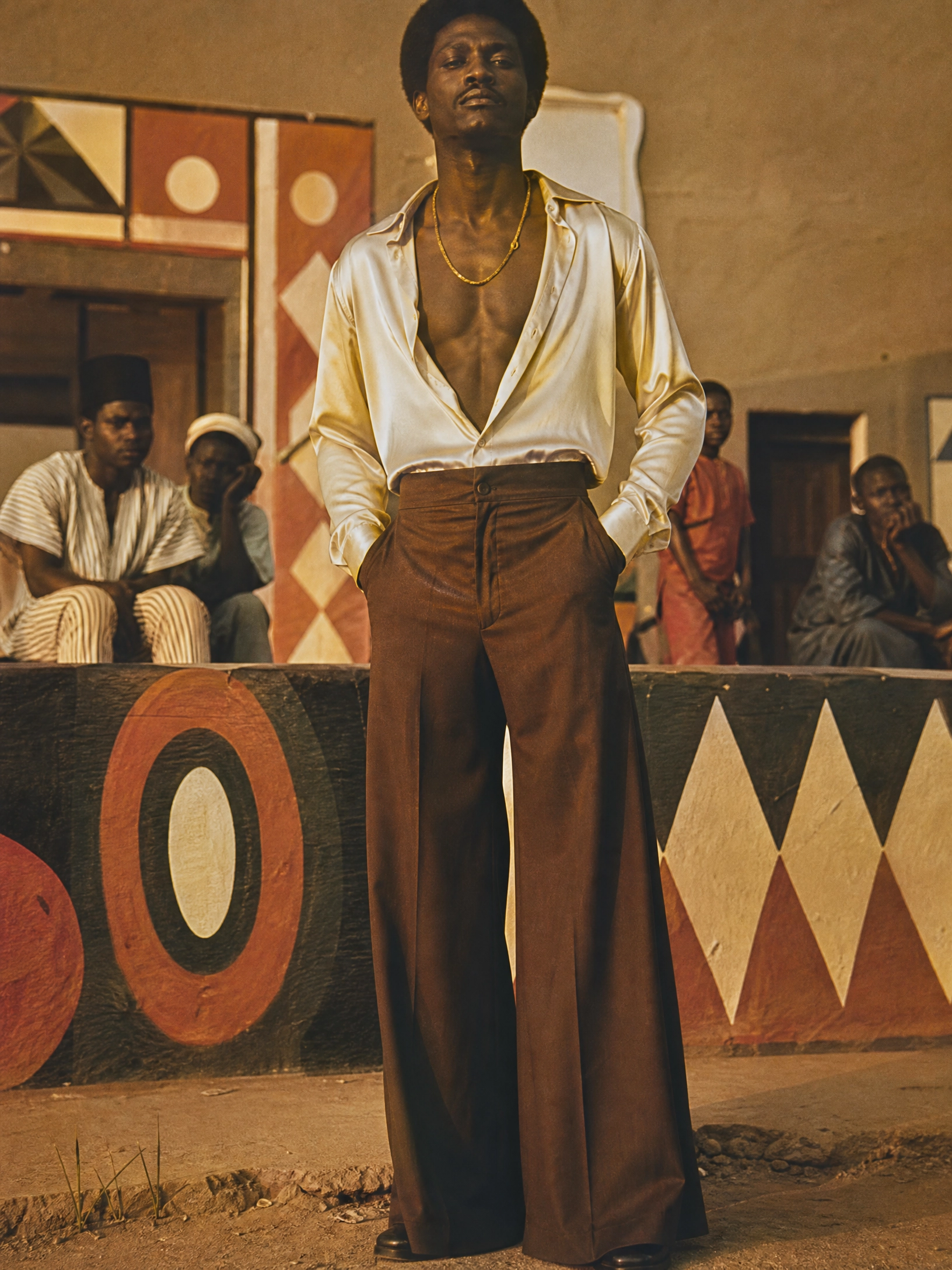
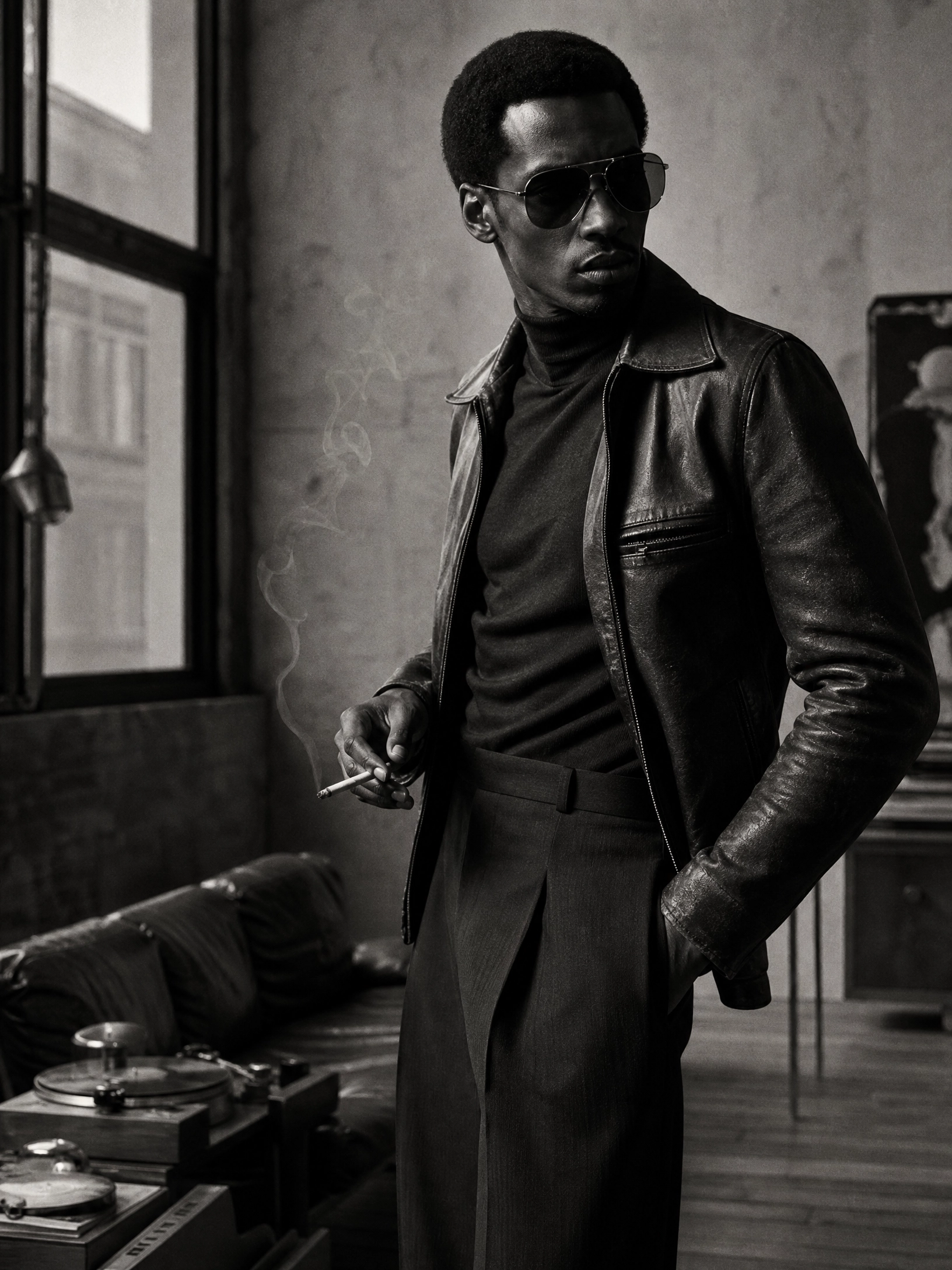
Stark contrasts and strong textures dominate nearly all his works, guiding the viewer on a profound and authentic emotional journey. Gabriel Moses is a self-taught photographer who grew up in South London in a Nigerian household. Despite lacking formal education in the creative arts, he has always been driven by a raw desire to explore emotion and aesthetics. His understanding of beauty is shaped by the imagery of his everyday life, which includes community, sport, music, and lifestyle.
Pop culture weaves throughout Moses' work, forming a world he navigates with ease. Collaborating with notable brands and artists such as Nike, Corteiz, Wizkid, and Skepta, his instinctual approach has propelled him to a position of significant influence within contemporary British mainstream culture. At just eighteen, he was offered his first directing role by Nike—a testament to the power of his vision and the hunger of brands to tap into the cultural energy he represents.
Moses' work is particularly significant in the context of diaspora identity. His photographs don't shy away from the complexity of being simultaneously Nigerian and British, African and European, rooted and displaced. Instead, they embrace what cultural theorist Homi Bhabha calls the "uncanny" quality of diaspora experience—the sense of being at once familiar and foreign, belonging and not belonging. This tension becomes a source of creative power rather than a deficit.

Slawn's bold pop art mixes Yoruba references with contemporary British culture.
Artwork: Slawn
Source: Artsy
"I'm not an artist, I paint like a 6-year-old," Slawn says on his Instagram, where giant works displayed in Piccadilly Circus coexist with body-paint sessions. Fight clips from his exhibitions sit next to barefaced money phones, whilst snapshots of his son are just a scroll away from shoutouts by Kim Kardashian. This intricate mix of seemingly unrelated moments is held together by a clear thread: bold, stripped-back, and deliberately provocative works that define Slawn's signature.
Born in Lagos and influenced by the city's skateboarding scene, Slawn moved to London at the age of seventeen to study graphic design. When the lockdown occurred, he turned to painting, and just four years later, he was selling out exhibitions and racking up seven-figure nights. Since then, his cultural imprint has only intensified: from redesigning the FA Cup trophy to customising Rolex Oyster Perpetuals and fronting the Air Max 90 campaign, he has marked the past few years with a string of defining moments.
Slawn's cultural impact is not a mere byproduct of hype; it's built on it. As critics question his legitimacy—is he a "real" artist or just a social media phenomenon?—the spotlight continues to grow brighter, giving him the perfect stage to inject Yoruba references and warped pop caricatures into the heart of the mainstream. His work challenges the traditional art world's gatekeeping whilst simultaneously achieving the validation those gatekeepers claim to control. It's a perfect encapsulation of diaspora creative strategy: build your own platform, define your own terms, and let the establishment catch up.
Music: The Sound of Hybrid Britain

Skepta's homecoming show in London. Grime has become one of Britain's most significant cultural exports.
Source: The Guardian
If fashion and art are where diaspora identity becomes visible, music is where it becomes audible—and undeniable. The story of contemporary British music is inseparable from the story of Caribbean and West African immigration. From the sound systems of Notting Hill in the 1960s through jungle, garage, and grime, each generation has created distinctly British genres by fusing the musical traditions of their parents' homelands with the electronic innovations of their adopted home.
Grime, which emerged from East London in the early 2000s, is perhaps the most significant example. Built on the skeletal rhythms of UK garage but infused with the energy and urgency of pirate radio and council estate life, grime gave voice to a generation of predominantly Black British youth who felt excluded from both mainstream British culture and the hip-hop narratives coming from America. Artists like Wiley, Dizzee Rascal, and Skepta created something entirely new—a sound that was unmistakably British, unmistakably urban, and unmistakably theirs.
Today, that legacy continues through artists like Dave, whose 2020 BRIT Awards performance of "Black" became a cultural flashpoint. Standing at a grand piano, the South London rapper delivered a searing indictment of British racism, colonialism, and media bias whilst simultaneously celebrating Black British achievement and resilience. It was uncomfortable. It was necessary. It was brilliant. And it was broadcast live on national television, a testament to how far diaspora voices have come in shaping the cultural conversation.

Dave's powerful BRIT Awards performance addressed racism, colonialism, and Black British identity.
Source: Complex UK, 2020
Meanwhile, Afroswing—a genre that blends Afrobeats, dancehall, and UK rap—has dominated the British charts in recent years. Artists like J Hus, Not3s, and NSG have created a sound that reflects the multicultural reality of contemporary London, where Nigerian, Jamaican, Somali, and British identities coexist and cross-pollinate. This isn't fusion for fusion's sake; it's the authentic sound of a generation that has never known a monocultural Britain.
The cross-pollination extends beyond music itself. Skepta collaborates with Gabriel Moses on visual projects. Dave appears in Corteiz campaigns. Jorja Smith's music videos feature Slawn's artwork. These aren't random celebrity endorsements; they're evidence of a genuine creative community that operates across disciplinary boundaries, united by shared experiences of diaspora identity and a shared commitment to reshaping British culture from within.
The Uncanny Dynamic: Pressure Creating Diamonds
What unites these diverse creative voices is a shared experience of what might be called "double consciousness"—the sense of being simultaneously too British for the homeland and not British enough for the establishment. This is the "uncanny" quality that Homi Bhabha identifies in diaspora experience: the feeling of being at once familiar and foreign, belonging and not belonging, insider and outsider.
For many diaspora creatives, this double consciousness is experienced as a form of pressure. The Nigerian-British photographer must navigate expectations from both communities. The Jamaican-British musician must prove authenticity to multiple audiences. The artist born in Lagos but raised in London must constantly negotiate between two cultural identities that don't always sit comfortably together.
But just as diamonds are formed under pressure, this tension has become a source of creative energy, clarity, and hunger. The urgency that characterises so much diaspora creative work—the sense that there's something that must be said, must be shown, must be heard—comes from this experience of living between worlds. It's the urgency of people who have been told they don't belong, proving not only that they do belong but that they're reshaping what belonging means.
This is why diaspora creative work so often operates outside traditional gatekeepers. When the establishment doesn't see you, doesn't understand you, doesn't make space for you, you build your own platforms. You create your own networks. You define your own terms of success. And then, if you're good enough and lucky enough, the establishment comes to you—on your terms, not theirs.
The Intersectionality Thesis: Everything Is Connected
The most significant aspect of this cultural moment isn't the individual success stories, impressive though they are. It's the way these creative voices are interconnected, building a cultural ecosystem that transcends disciplinary boundaries. Fashion, art, and music aren't separate movements; they're different expressions of the same fundamental shift in British cultural identity.
This intersectionality is both practical and philosophical. On a practical level, diaspora creatives collaborate across disciplines because they're part of the same communities, attend the same events, face the same challenges. Gabriel Moses shoots for Corteiz because they're both part of the same London scene. Slawn's work appears at grime nights because grime and visual art are both expressions of the same cultural energy.
On a philosophical level, this cross-disciplinary approach reflects a distinctly diaspora worldview. When you're navigating multiple cultural identities, you become accustomed to hybridity, to mixing, to refusing to stay in your lane. The same instinct that allows a Nigerian-British photographer to blend Baroque aesthetics with South London street photography allows a streetwear brand to incorporate elements of high fashion, community activism, and guerrilla marketing. Hybridity becomes a creative strategy, not a compromise.
This is fundamentally different from the way mainstream British culture has traditionally operated, with its careful delineations between high and low culture, art and commerce, fashion and music. Diaspora creatives don't respect those boundaries because those boundaries were never designed with them in mind. Instead, they create their own cultural logic, one that values authenticity over pedigree, community over exclusivity, and urgency over polish.
From the Margins to the Mainstream: What Comes Next?
The rise of diaspora voices in British culture raises important questions about what comes next. As these once-marginal voices become increasingly central to the mainstream, will they maintain their edge, their urgency, their commitment to community? Or will success lead to co-option, to the smoothing of rough edges, to the transformation of radical voices into palatable brands?
There are reasons for both optimism and caution. On the optimistic side, many of these creatives have shown a remarkable commitment to maintaining their authenticity even as their platforms grow. Clint 419 continues to operate Corteiz with the same guerrilla ethos that defined its early days, even as the brand collaborates with Nike and dresses Premier League footballers. Gabriel Moses continues to centre community and emotion in his work, even as he shoots for Louis Vuitton. Dave continues to use his platform to address uncomfortable truths about British society, even as he wins BRIT Awards and headlines major festivals.
On the cautious side, the history of British countercultures suggests that mainstream success often leads to dilution. Punk's radical politics were quickly commodified into fashion statements. Grime's raw energy was smoothed into radio-friendly pop. There's always a risk that today's vanguard becomes tomorrow's establishment, that the margins become the mainstream and lose what made them vital in the process.
But perhaps this time is different. Perhaps the sheer diversity of diaspora voices—Nigerian-British, Jamaican-British, Ghanaian-British, Somali-British, and countless others—makes co-option more difficult. Perhaps the interconnected nature of this creative ecosystem, spanning fashion, art, and music, makes it more resilient. Perhaps the urgency that comes from lived experience of marginalisation can't be easily commodified or smoothed away.
What's certain is that British culture is being fundamentally reshaped by these voices. The next generation of British children—regardless of their ethnic background—will grow up in a cultural landscape where Corteiz is as influential as Burberry, where Gabriel Moses is as significant as David Bailey, where grime and Afroswing are as British as The Beatles. They'll grow up understanding that British identity has always been hybrid, always been contested, always been in the process of being remade.
Conclusion: Rebuilding the Narrative from Within
Seventy-five years after the Windrush generation arrived to rebuild a war-torn Britain, their descendants are engaged in a different kind of reconstruction. They're rebuilding the narrative of what it means to be British, expanding the definition to include voices and experiences that have too long been marginalised or ignored.
This isn't about replacing one monoculture with another. It's about recognising that British culture has always been plural, always been influenced by migration and mixing, always been richer for its diversity. The difference now is that diaspora voices are no longer asking for permission to participate in British culture. They're creating it, defining it, exporting it to the world.
From the streets of Peckham to the stages of the BRIT Awards, from guerrilla marketing stunts to exhibitions in Piccadilly Circus, diaspora creatives are writing the next chapter of British cultural history. They're doing it with urgency, with authenticity, with a refusal to choose between heritage and home. They're doing it on their own terms.
And they're just getting started.
Image Credits
Windrush Generation Arrival
Historical archive photograph, 1948
Source: Euronews Archive
Via: https://www.euronews.com/culture/2023/06/22/75-years-on-rare-photographs-chronicle-the-journey-of-the-empire-windrush
Corteiz Campaign Imagery
Official brand campaign photography
Source: Pause Magazine, 2024
Via: https://pausemag.co.uk/2024/01/corteiz-debut-official-campaign-imagery-for-much-anticipated-capsule-collection/
Gabriel Moses Photography
Photography by Gabriel Moses
Source: The Agents Club
Via: https://theagents.club/gabriel-moses/portfolio
Slawn Artwork
Artwork by Slawn
Source: Artsy
Via: https://www.artsy.net/artist/slawn
Skepta Performance
Live performance photography
Source: The Guardian
Via: https://www.theguardian.com/music/2023/jul/02/skepta-review-grime-top-boy
Dave BRIT Awards Performance
BRIT Awards 2020 performance
Source: Complex UK, 2020
Via: https://www.complex.com/music/2020/02/dave-brit-awards-performance-black
This article is part of art degree°'s ongoing exploration of contemporary cultural movements. For more on fashion, art, and music at the intersection of identity and creativity, explore our Culture° vertical.